Beginner’s Guide to Fitness Coaching in Australia: What to Expect
Entering a gym for the first time can be an intimidating experience. Between the rows of unfamiliar machinery and the “no pain, no gain” culture often depicted on social media, many Australians feel overwhelmed before they even begin. This is where professional guidance becomes invaluable.
A Beginner’s Guide to Fitness Coaching in Australia: What to Expect serves as your roadmap to navigating the local health industry. In 2026, coaching has shifted away from the “drill sergeant” archetype toward a supportive, science-led partnership. Whether your goal is to lose weight, build functional strength for the weekend surf, or simply improve your longevity, understanding how the coaching process works in Australia is your first step toward success.
What is Fitness Coaching? (The Australian Standard)
In Australia, fitness coaching is a regulated service provided by exercise professionals to help individuals achieve specific physical and health outcomes. Unlike a generic gym membership, coaching provides a structured “human element” that bridges the gap between intention and results.
The Professional Hierarchy
When you start your journey, you will likely encounter three levels of professionals:
- Fitness Instructors (Cert III): Usually found on the gym floor, they help with equipment setup and general safety.
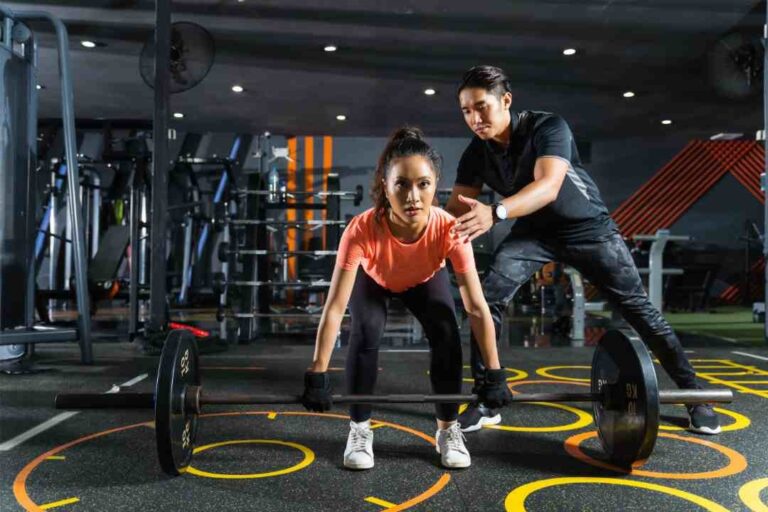
- Personal Trainers (Cert IV): The standard for one-on-one coaching. They design custom programs and provide nutritional guidance.
- Exercise Physiologists (University Degree): Accredited professionals who specialize in clinical exercise for injury rehabilitation or chronic conditions like diabetes.
How it Works: Why Australians Choose Coaching
The “why” behind coaching is simple: efficiency and safety. Statistics from the Journal of Sports Science & Medicine suggest that working with a coach can increase the likelihood of reaching your goals by over 30%.
In the Australian context, where outdoor lifestyles and coastal living are prominent, coaches focus on “Functional Fitness”—training your body to handle real-world activities like hiking the Blue Mountains or carrying groceries. Coaching works by removing the guesswork, ensuring that every minute you spend exercising is contributing directly to your specific goal.
Benefits and Outcomes for Beginners
| Benefit | What This Means For You |
| Injury Prevention | Learning the correct “form” (technique) to protect your back, knees, and shoulders. |
| Personalised Programming | A plan built for your body type, fitness level, and schedule. |
| Accountability | Having a professional waiting for you makes it much harder to “snooze” the alarm. |
| Nutritional Clarity | Guidance on Australian food labels and local produce to fuel your workouts. |
| Confidence | Moving from “gymtimidation” to feeling like you belong in any fitness environment. |
Real-World Use Case: A Melbourne Beginner’s Journey
Consider “Sarah,” a 35-year-old office worker in Melbourne. She has never lifted weights and feels nervous about the gym.
By following a Beginner’s Guide to Fitness Coaching in Australia: What to Expect, she finds a local trainer who specializes in beginners. Her journey starts with a simple 15-minute mobility assessment rather than a heavy workout. Within six weeks, her “niggles” from sitting at a desk disappear, and she has the confidence to perform a perfect goblet squat—something she never thought possible.
The Step-by-Step Process: Your First 30 Days
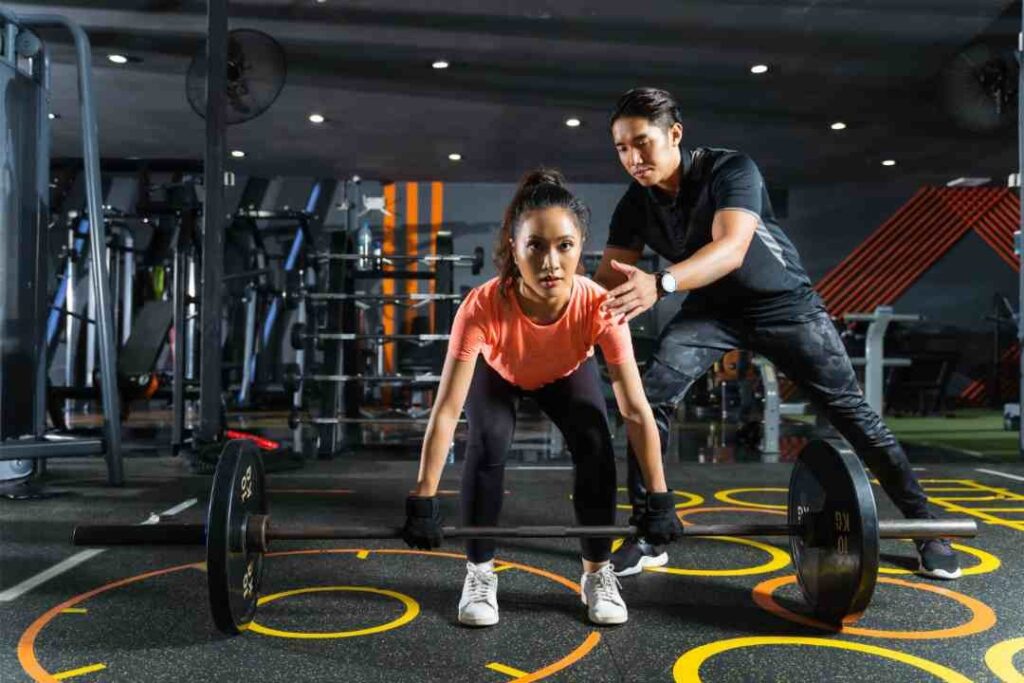
When you sign up for coaching, you aren’t just jumping into a workout. There is a professional framework designed to keep you safe.
Phase 1: The Initial Consultation
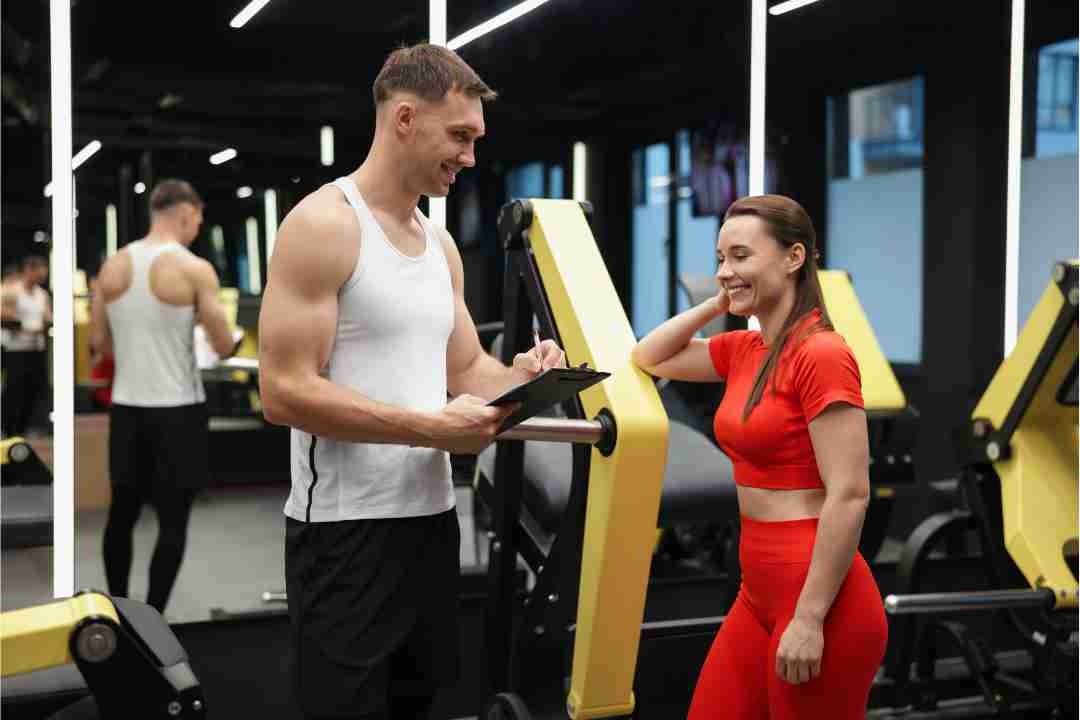
Expect to sit down for 30–60 minutes. Your coach will ask about:
- Medical History: Past injuries or conditions (e.g., asthma or high blood pressure).
- Lifestyle: Your sleep patterns, stress levels, and “NEAT” (daily movement like walking the dog).
- SMART Goals: Specific, Measurable, Achievable, Relevant, and Time-bound objectives.
Phase 2: Movement Screening
Before you touch a weight, your coach will watch you move. They might ask you to perform a bodyweight squat or a balance test. This identifies “tight” areas that need work before adding intensity.
Phase 3: The Foundational Block
The first 4 weeks are about “skill acquisition.” You will learn the four big movement patterns:
- Push: Push-ups or overhead presses.
- Pull: Rows or lat pulldowns.
- Hinge: Learning to bend at the hips (essential for back health).
- Squat: Using your legs and glutes efficiently.
Best Practices & Advanced Tips for Beginners
To get the most out of your Australian fitness coach, follow these industry “insider” tips:
- Be Brutally Honest: If you had two hours of sleep or ate a whole pizza, tell your coach. They can adjust your session to be a “recovery” day rather than a “performance” day.
- Prioritise “NEAT”: Your one hour with a coach is only 4% of your day. Focus on hitting 8,000–10,000 steps daily outside of your sessions.
- Ask “Why?”: A great coach loves explaining the science. Understanding why you are doing a certain movement increases your long-term adherence.
Common Mistakes & How to Avoid Them
- Chasing “The Burn”: Many beginners think they need to be unable to walk the next day for a workout to be “good.” In reality, excessive soreness can ruin consistency. Aim for “effective,” not “exhausting.”
- Comparing Yourself to Others: Your coach’s Instagram “transformation” clients are on a different chapter than you. Focus only on beating your own stats from last week.
- Ignoring the “AUSactive” Check: Don’t hire a coach just because they look fit. Ensure they are registered with AUSactive or FitRec to guarantee they have current insurance and First Aid training.
FAQ: Beginner’s Guide to Fitness Coaching in Australia
What qualifications should my coach have?
At a minimum, they must have a Certificate IV in Fitness. Many also hold University degrees in Exercise Science. Always ask to see their current First Aid and CPR certifications.
How much does it cost?
In 2026, expect to pay between $70 and $110 per hour for one-on-one sessions in major cities like Sydney or Perth. Online coaching or small group sessions can be more budget-friendly, ranging from $30 to $60.
Do I need to be “fit” to start?
No! This is the biggest myth. A coach’s job is to take you from where you are now to where you want to be. They are specifically trained to work with deconditioned beginners.
How long until I see results?
You will likely feel better (more energy, better sleep) within 2 weeks. Physical changes like muscle definition or weight loss usually become visible to others around the 6 to 8-week mark.
What should I wear to my first session?
Comfortable, breathable clothing and enclosed athletic shoes (runners). Bring a towel and a reusable water bottle—most Australian gyms are “towels required” for hygiene.
Conclusion: Starting Your Journey Today
In this Beginner’s Guide to Fitness Coaching in Australia: What to Expect, we’ve uncovered that professional coaching is far more than just “counting reps.” It is a comprehensive support system designed to help you navigate the complexities of health in 2026. By choosing a certified professional and following a structured onboarding process, you transform the gym from a place of fear into a place of empowerment.
The Australian fitness industry is world-class. Whether you choose an in-person trainer in Adelaide or an online coach in the Outback, the key is to start with a foundation of safety and education.